

The glacial time bomb
Glaciers across the globe are retreating at an unprecedented pace, having lost more than 6,500 billion tonnes of ice since 2000. Even if global carbon emissions were halted today, meltwater feedback loops and thawing permafrost would continue accelerating well beyond the century. Explore the critical visual record of an unfolding crisis, join the conversation, and share this vital story worldwide.
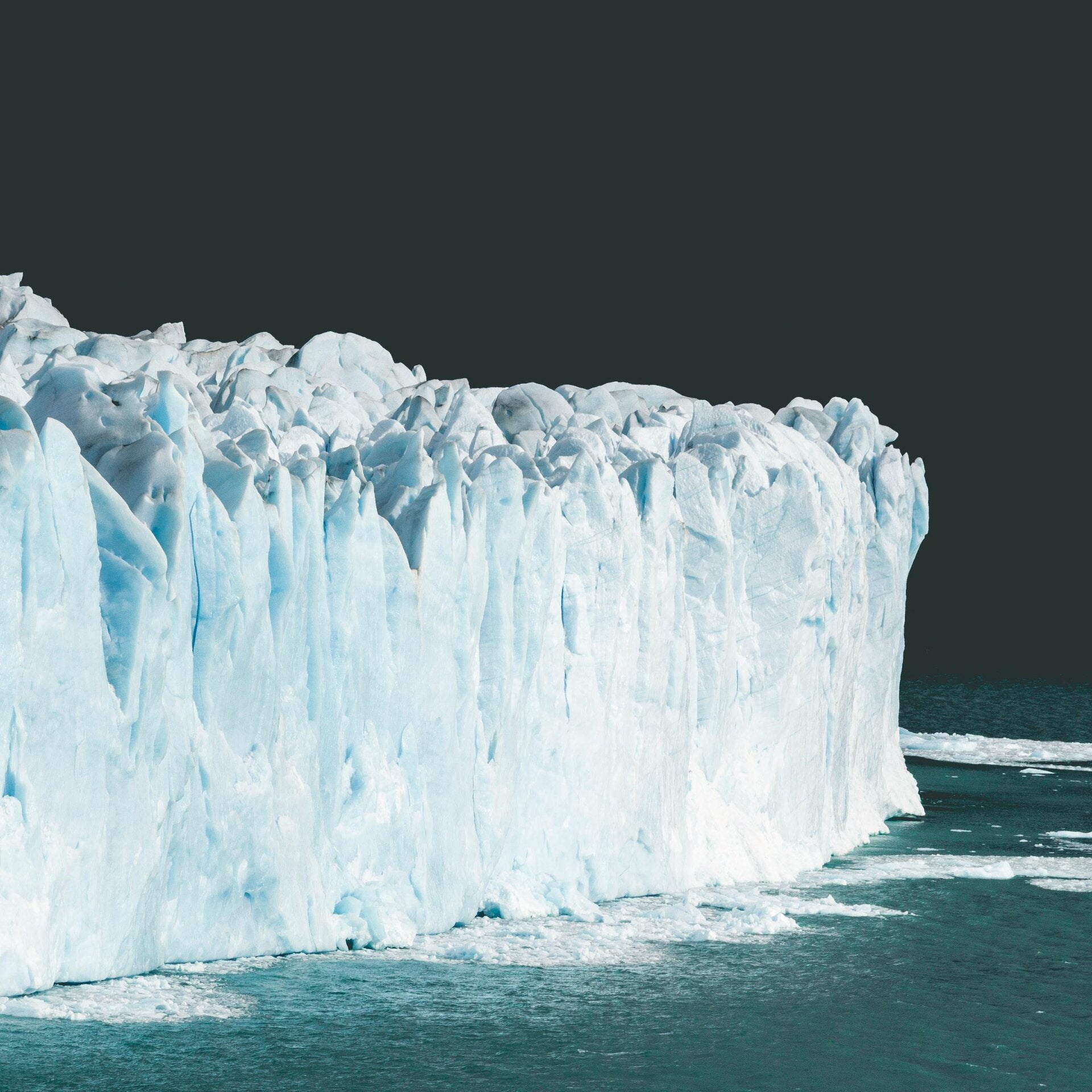
Unleashing trapped carbon and methane
Beneath deep ice sheets and frozen permafrost lies a massive reservoir of organic matter. As shrinking glaciers expose thawing soil, stored carbon dioxide and potent methane gas escape directly into the atmosphere. Scientists warn that the greenhouse gases discharged by melting ice sheets could eventually rival or exceed current planetary emission totals, locking Earth into a self-reinforcing climate cycle.
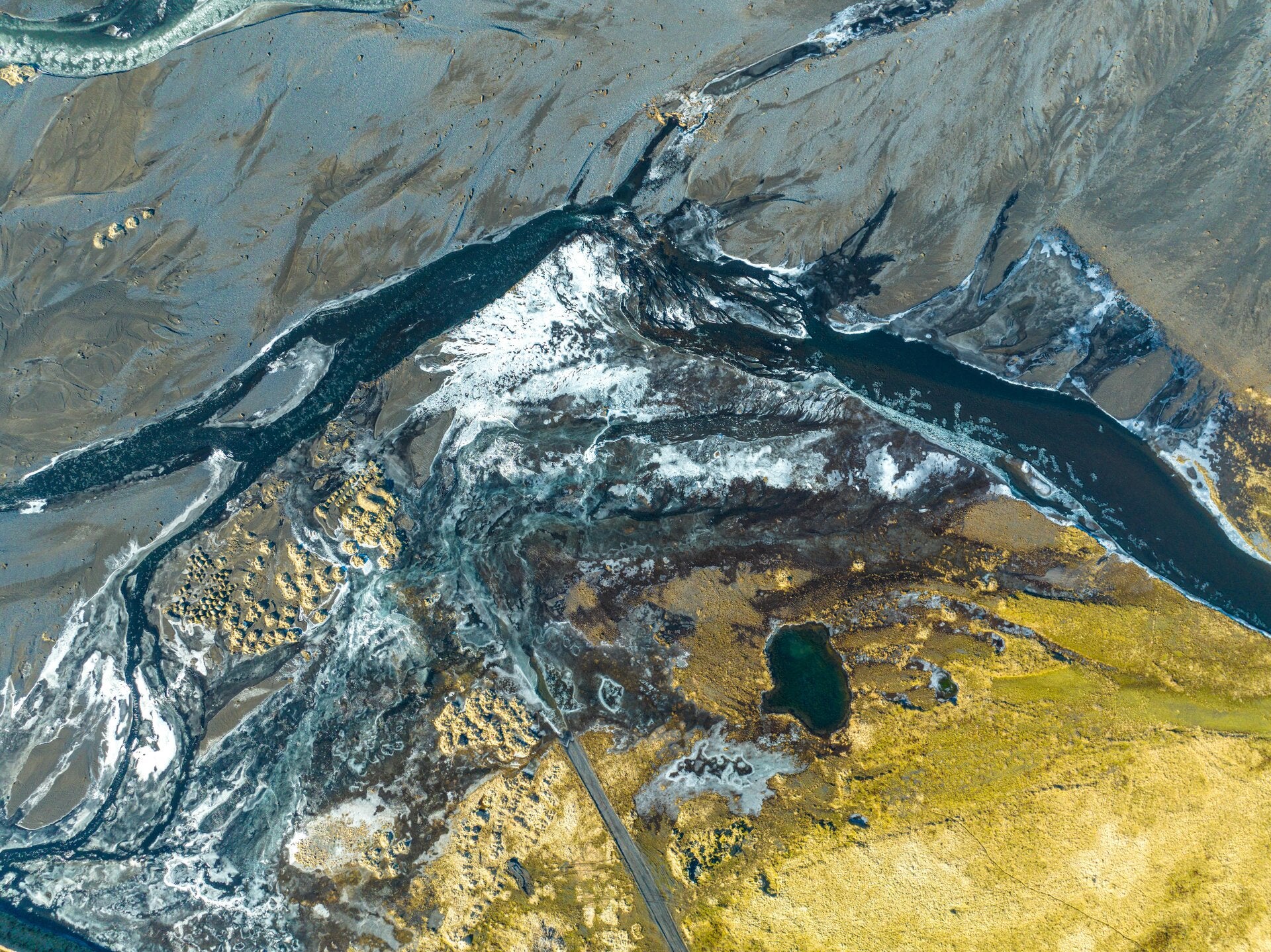
The surge of glacial outburst floods
Rapid melting generates swollen meltwater basins held back only by fragile moraine dams and unstable ice walls. When these barriers collapse, catastrophic glacial lake outburst floods strike downstream communities without warning, sweeping away infrastructure and entire valleys—as observed in recent devastation across the Himalayas and mountain regions globally.
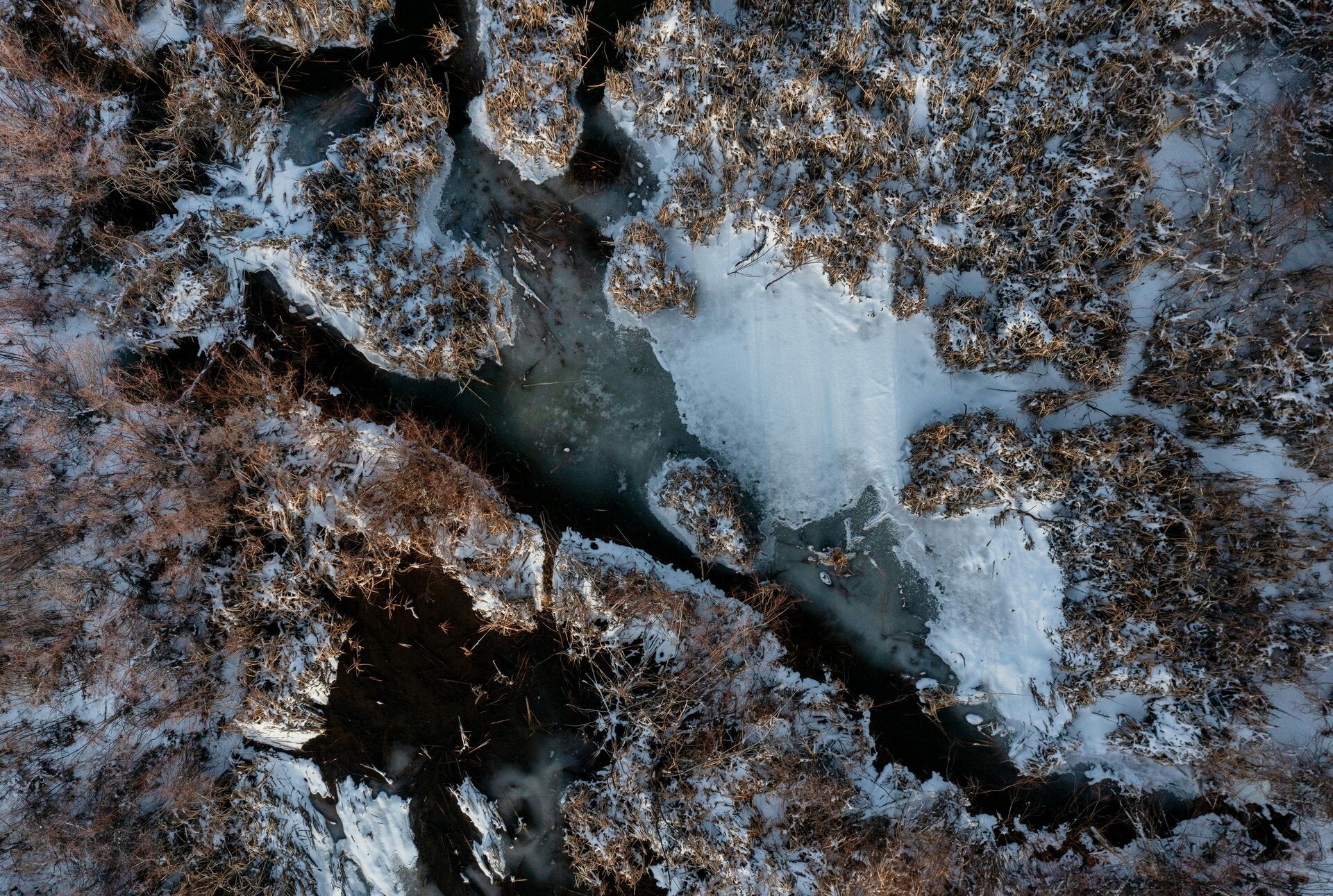
Awakening ancient pathogens beneath the ice
Deep within millennia-old ice lie dormant biological agents: ancient bacteria, viruses, and preserved microbes untouched for generations. As centuries-old permafrost disintegrates under warming temperatures, these biological time capsules risk resurfacing into global waterways and ecosystems. Share this visual report, comment with your insights, and help inform the global dialogue.